
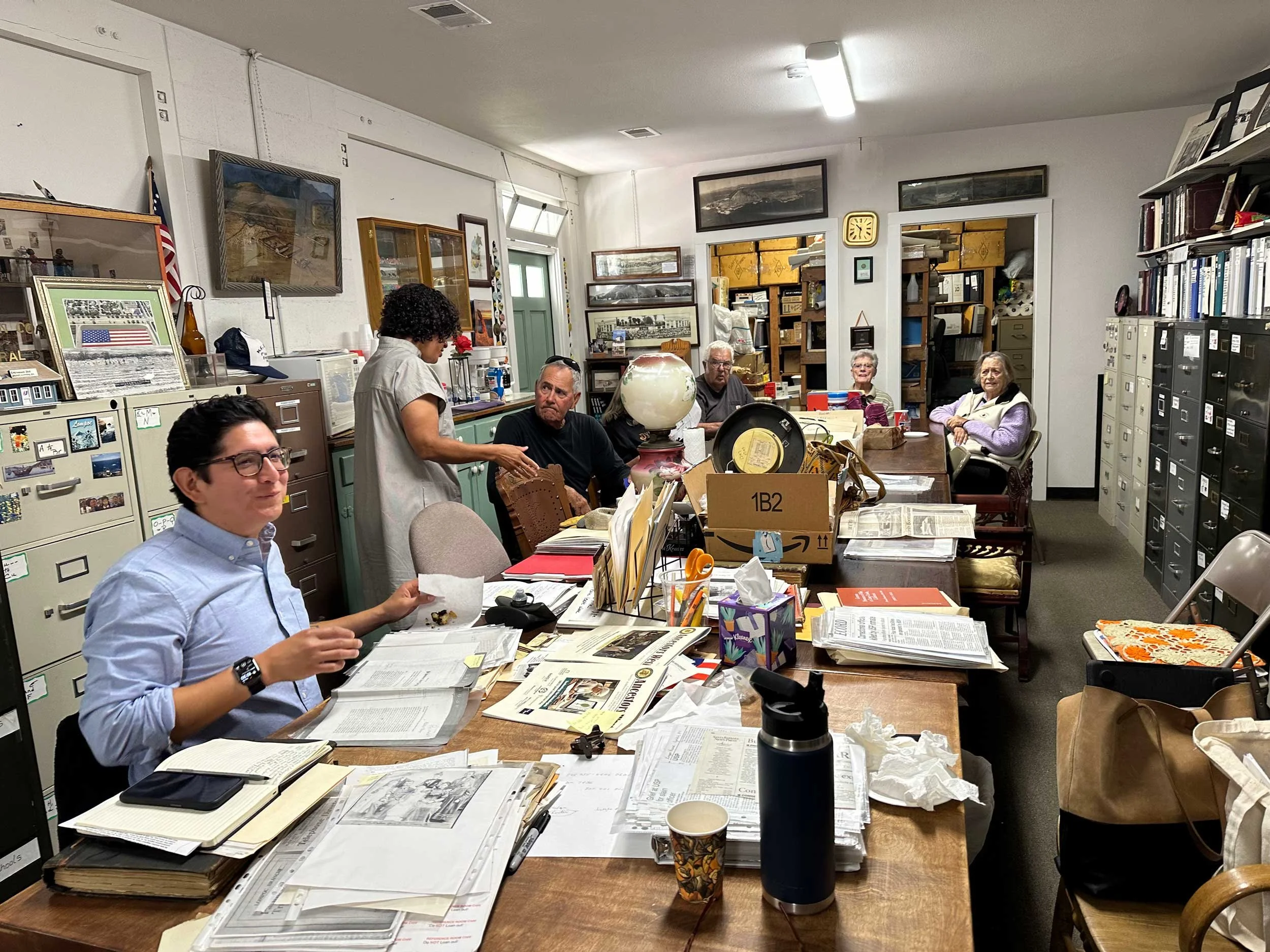
The Satellite Coast Research Project is grounded in three case studies that center the perspectives of key constituencies who are often overlooked in the planning and development of large-scale infrastructural projects, such as the transformation of Vandenberg Air Force Base into an highly active spaceport.
Indigenous survivors, agriculture workers, and persons in the corrections system who live and work adjacent to the Vandenberg base and have historic ties to the base, make up at least 17% of the surrounding community, yet their voices remain absent from the public discourse regarding increased launch schedules.
As Indigenous people of this area, Chumash community members have long held concerns about the Vandenberg base and activities below, on, and above its grounds. The more than 3000 people incarcerated in the Lompoc Correctional Complex also sense satellite launches palpably from nearby prison cells and yards. Farmworkers experience sonic booms as they pick and package strawberries and other crops from fields directly adjacent to the base.
By investigating how Chumash peoples, incarcerated persons, and farmworkers think about and experience satellite launches, our research expands perspectives on satellite technology and launch infrastructure by registering the everyday, embodied experiences of people who live and work nearby but who are typically unacknowledged, marginalized, or overlooked.
Project Overview
The Satellite Coast Research Project is grounded in three case studies that center the perspectives of key constituencies: Indigenous survivors, agriculture workers, and persons in the corrections system, who are often overlooked in the planning and development of large-scale infrastructural projects, such as the transformation of Vandenberg Air Force Base into an highly active spaceport.
Case Studies
Farmworkers
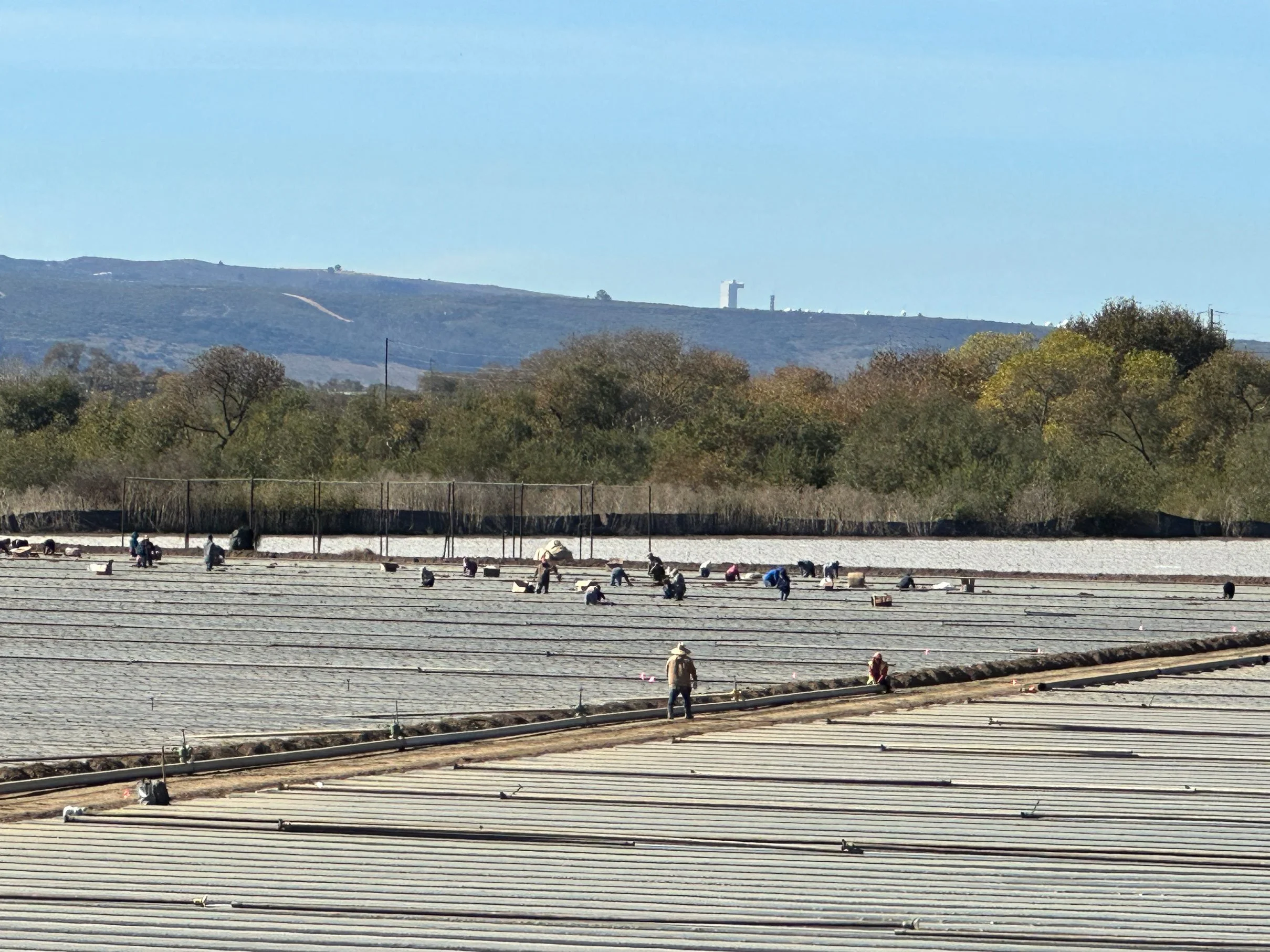
This case study examines the overlooked intersection between the California Central Coast's agricultural community and the burgeoning aerospace industry centered at Vandenberg Space Force Base. While frequent satellite launches signal technological progress, their impact on the immigrant farmworkers essential to the nation's food supply remains largely unexamined. Utilizing ethnographic methods and in-depth interviews with 50 farmworkers, this research centers the voices of those working the land beneath the flight paths. The study investigates how these essential workers perceive the environmental, economic, and social consequences of space exploration—ranging from potential impacts on soil and health to the symbolic significance of these launches in their daily lives. By identifying gaps in communication and information accessibility, the project aims to foster a more inclusive understanding of regional development and ensure farmworker perspectives are integrated into future policy and planning.
Incarcerated Persons
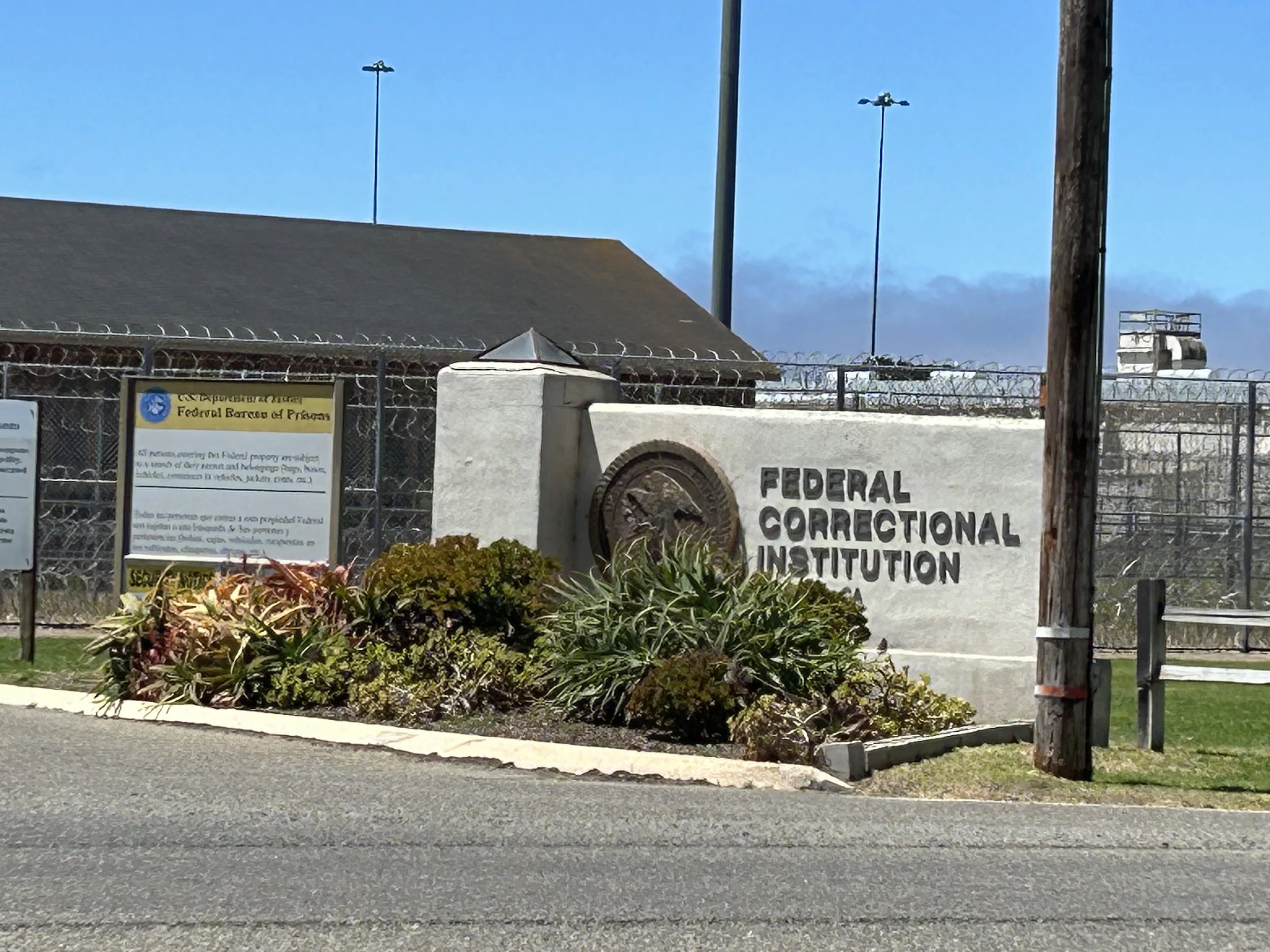
This case study investigates the experiences and perspectives of men incarcerated at the Federal Correctional Complex in Lompoc (FCC Lompoc) relative to the commercial satellite launches conducted at the adjacent Vandenberg base. Drawing on critical carceral studies and STS, the project, led by Co-PI Wasow, takes the spatial and historical adjacency of two federal institutions — a prison complex and a launch complex — as its analytical frame. Through written exchanges and periodic in-person meetings, the project brings incarcerated participants into STS scholarship as producers of knowledge about satellite launching, rather than only as the "testing ground" for new technologies.
Chumash Communities
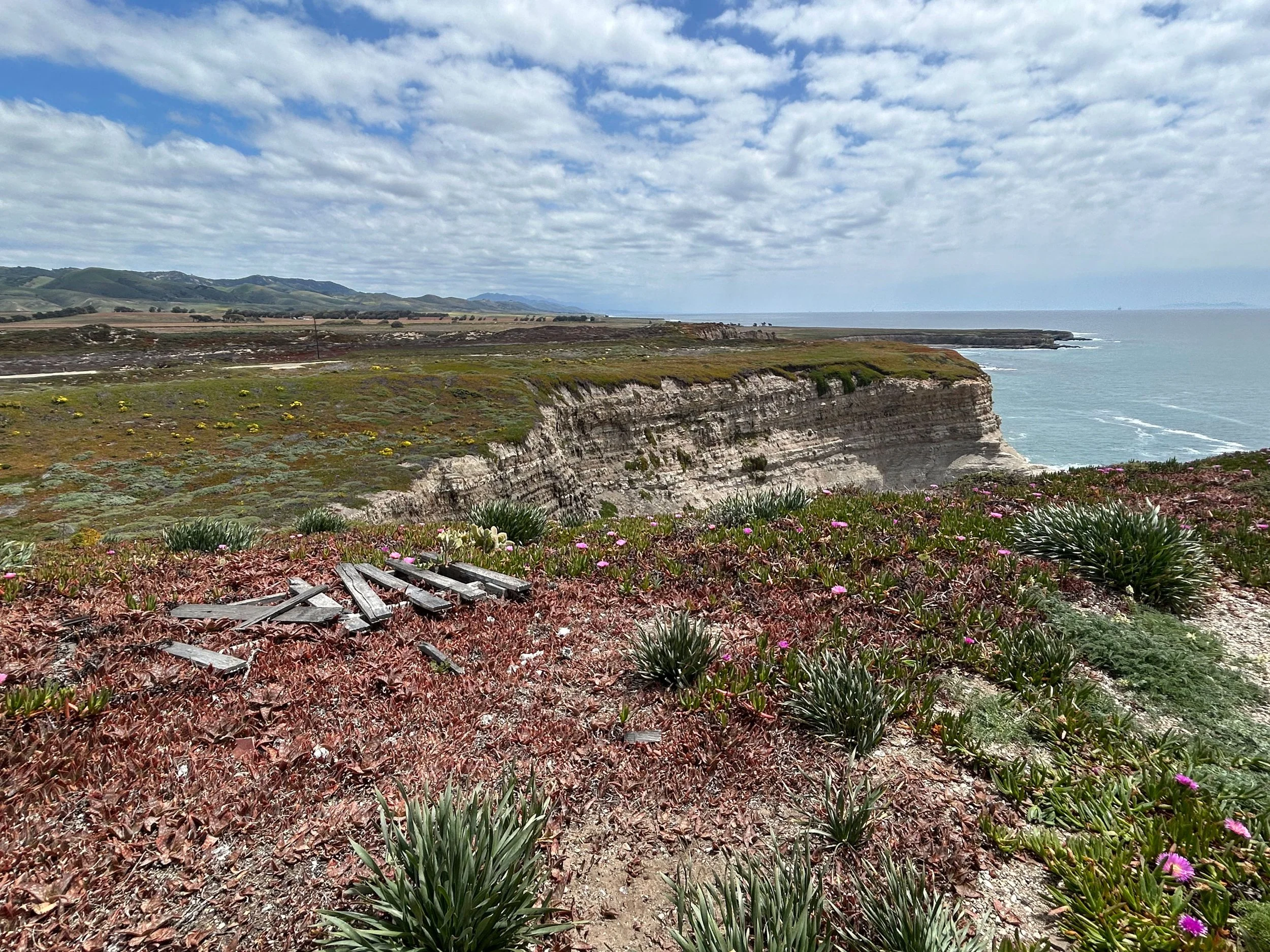
This case study collaborates with federally recognized and unrecognized Chumash communities in the Lompoc area to investigate the social, cultural, and environmental impacts of commercial satellite launching at Vandenberg. Combining focus groups and interviews with archival and historical research into the archaeological excavation of Chumash sites on the base, the project engages Indigenous knowledge, cosmologies, and lived experience of regional aerospace infrastructure alongside Chumash partners. Building on historical commentaries by Chumash leaders and recent NOAA partnerships around the Chumash marine sanctuary, it surfaces perspectives often overlooked in STS scholarship and rethinks sociotechnical relations of adjacency, diversity, and cosmology in the expanding commercial space economy.